
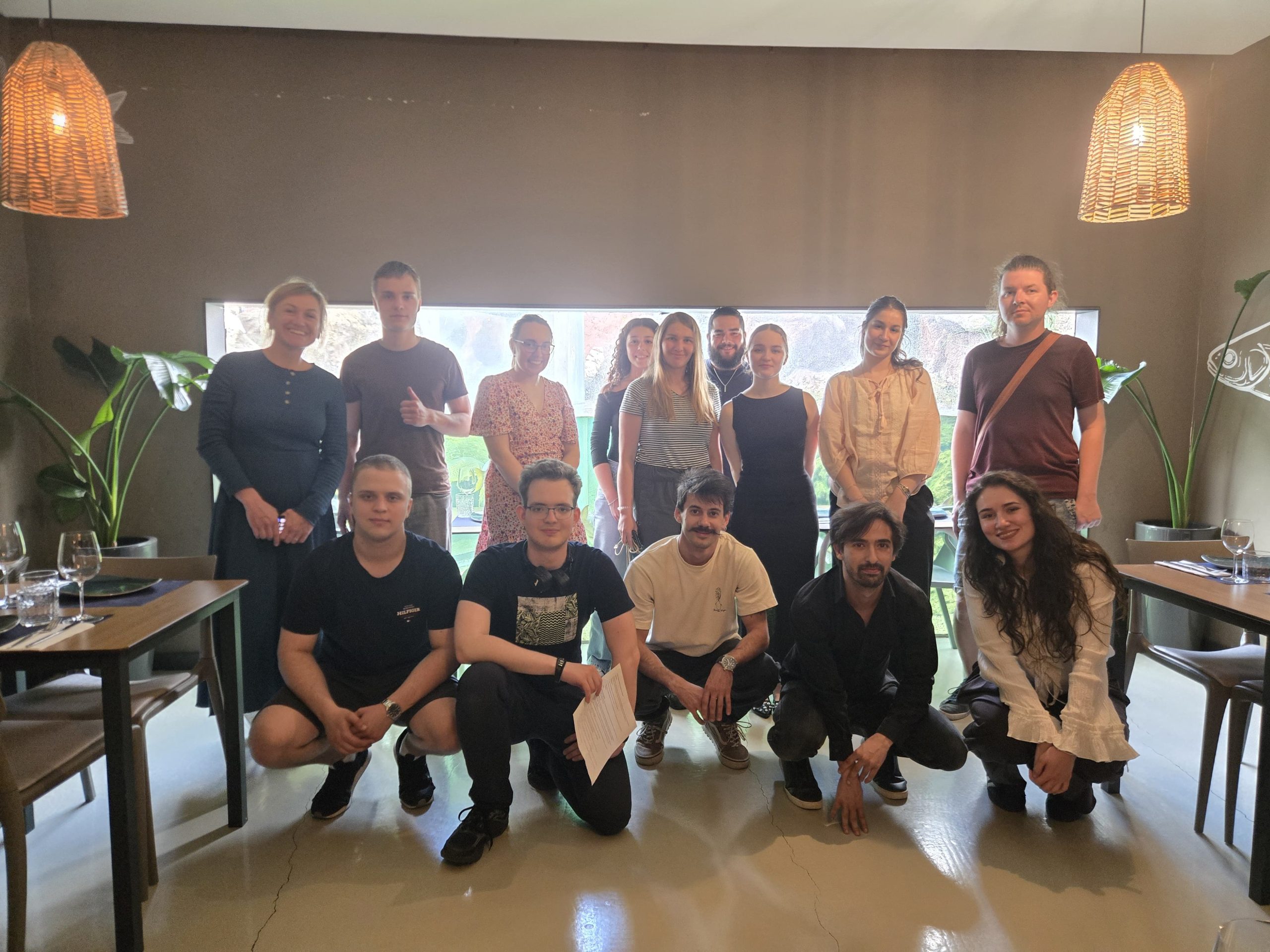
Strengthening Youth Work through Intercultural Learning, Digital Innovation, and Sustainability
Project ID: 2025-1-PT02-KA153-YOU-000299127
Program: Erasmus+ KA153-YOU, Mobility of Youth Workers
Project Coordinator: Young Professional Development Society Portugal (YPDSP)
Participating Countries: Portugal, Czechia, and Estonia
Implementation Period: 1 June 2025 – 31 May 2026
Co-funded by: The European Union through the Erasmus+ Programme
Introduction: Investing in the Quality of Youth Work
Young people across Europe face interconnected challenges, including social exclusion, discrimination, digital inequality, environmental concerns, and limited opportunities to participate meaningfully in community life. Youth workers play an essential role in addressing these challenges, but they need continuous professional development, innovative educational methods, and opportunities to learn from colleagues in different cultural and professional contexts.
Recognizing these needs, Young Professional Development Society Portugal (YPDSP), together with its partner organizations in Czechia and Estonia, implemented “Empowering Youth Workers: Building Bridges Across Borders” (WAYE3B) under the Erasmus+ KA153-YOU Mobility of Youth Workers action.
The project was designed to strengthen the professional competencies of youth workers through international cooperation, non-formal education, intercultural learning, digital innovation, and sustainable project development. Rather than treating professional development as a single learning event, WAYE3B connected three complementary training activities, allowing participants to build knowledge, exchange practices, and explore how new approaches could be applied within their organizations and local communities.
The project reflects the importance of investing in youth workers as multipliers of learning, inclusion, participation, and positive social change.
Why Was the Project Developed?
Youth work is continually evolving. Effective youth workers must be able to communicate across cultures, facilitate inclusive learning environments, use digital tools responsibly, respond to changing community needs, and develop projects that remain relevant beyond their initial funding period.
WAYE3B addressed these interconnected needs through three thematic priorities.
Intercultural communication and collaboration: Youth workers need the confidence and practical skills to cooperate across cultural backgrounds, understand different perspectives, and create inclusive environments for young people.
Digital youth work and innovation: Digital tools offer new opportunities for learning, communication, and participation. Youth workers, therefore, need practical digital competencies and the ability to select appropriate tools for different audiences and educational purposes.
Sustainability and project development: Youth initiatives need realistic objectives, effective evaluation, responsible use of resources, and long-term planning. Sustainability also involves community ownership, social responsibility, and the continued application of learning.
By connecting these themes within one international learning program, WAYE3B sought to improve the quality of youth work, strengthen cooperation between participating organizations, and encourage the transfer of European good practices into local contexts.
Project Goal and Objectives
The overall goal was to strengthen the professional capacities of youth workers and improve the quality, innovation, inclusiveness, and sustainability of youth work through international learning and cross-border cooperation.
The project pursued the following objectives:
- To improve youth workers’ intercultural communication, collaboration, and facilitation skills.
- To strengthen knowledge and practical competencies in non-formal education and inclusive youth work.
- To explore digital tools and innovative methods that support learning, communication, and youth participation.
- To develop competencies in sustainable project planning, implementation, evaluation, and long-term development.
- To facilitate the exchange of experiences and good practices among youth workers from Portugal, Czechia, and Estonia.
- To reinforce professional networks and cooperation between youth organizations.
- To support reflection, recognition of learning outcomes, and the transfer of acquired competences into daily professional practice through Youthpass and follow-up planning.
These objectives were connected to the broader Erasmus+ priorities of inclusion and diversity, digital transformation, environmental sustainability, participation in democratic life, and the promotion of shared European values.
Three Activities, One Connected Learning Journey
The project was implemented through three international professional development activities. Each activity addressed a distinct learning theme while contributing to the overall objectives of WAYE3B.
Activity 1: Foundations – Intercultural Communication and Collaboration (PDAMS01)
Location: Ochoz u Brna, Czechia
Training dates: 24–28 January 2026
Hosting organization: Cesta rozvoje z.s.
The first activity established the foundation for cooperation and learning across the project partnership. It introduced participants to international youth work, non-formal education, experiential learning, intercultural communication, and inclusive practice.
The program used interactive workshops, experiential group challenges, peer exchange, reflective discussions, teamwork, and practical learning exercises. Participants explored different approaches to youth work and compared experiences from their respective countries.
The activity encouraged participants to examine how cultural differences, communication styles, group dynamics, and barriers to participation can influence youth work practice. By working in international teams, participants had opportunities to build trust, share professional experiences, and test educational methods that could be adapted to their own settings.
Key learning outcomes included:
- Improved understanding of intercultural communication and cooperation.
- Greater familiarity with experiential and non-formal learning methods.
- Increased awareness of inclusion, diversity, and respectful participation.
- Strengthened teamwork, reflection, and facilitation skills.
- Initial ideas for transferring methods and cooperation opportunities into local youth work.
The first activity provided a shared professional foundation for the subsequent focus on digital innovation and sustainability.
Activity 2: Digital Innovation (PDAMS02)
Location: Pärnu, Estonia
Dates: 10–14 March 2026
The second activity focused on digital youth work and innovation. Building on the intercultural and methodological foundations developed in Czechia, participants explored how digital tools and approaches can strengthen youth engagement, educational delivery, and communication.
The program emphasized practical learning and the exchange of experiences and opportunities to examine how digital methods could respond to the needs of different youth groups. The broader learning focus included digital engagement, responsible technology use, innovative educational approaches, and the development of participants’ confidence in applying digital tools in their work.
Digital youth work is not simply about using technology. It also requires critical thinking, attention to accessibility, responsible communication, and the ability to choose methods that serve clear educational objectives.
Key learning outcomes included:
- Improved understanding of digital opportunities in youth work.
- Greater confidence in exploring useful digital tools and methods.
- Increased awareness of responsible and purposeful technology use.
- Opportunities to exchange digital practices with international colleagues.
- Ideas for introducing innovative learning approaches into organizational activities.
The activity contributed to Erasmus+’s digital transformation priority by supporting youth workers in considering how technology can complement non-formal education and meaningful participation.
Activity 3: Sustainability (PDAMS03)
Location: Mora, Portugal
Dates: 5–9 May 2026
Host organization: Young Professional Development Society Portugal (YPDSP)
The third activity brought the learning journey together through a focus on sustainability, environmental responsibility, community development, and long-term project planning.
Participants explored sustainability principles and considered how youth organizations could integrate environmentally responsible practices into their programs, daily operations, and future initiatives. The activity also examined sustainable project management, community engagement, problem-solving, and the importance of evaluating project results.
The program included interactive workshops, group discussions, case studies, practical exercises, intercultural learning, and reflection sessions. Participants exchanged experiences and explored ways to connect environmental responsibility with social inclusion, active citizenship, and local development.
Particular attention was given to the question of how youth initiatives can continue to create value after a funded activity ends. This included considering realistic planning, partnerships, community participation, responsible resource management, and the transfer of learning into future work.
Key learning outcomes included:
- Improved knowledge of sustainability and environmental responsibility.
- Greater understanding of community-based approaches to sustainable development.
- Stronger project planning and problem-solving competencies.
- Increased awareness of sustainable practices in youth organizations.
- Opportunities to develop ideas for future youth initiatives and local application.
The activity reinforced the project’s long-term perspective by connecting individual learning with organizational development and community engagement.
Participants and International Cooperation
WAYE3B involved 36 youth workers and nine trainers and facilitators, making 45 people involved across the project’s activities. The three participating countries were Portugal, Czechia and Estonia, with 12 youth workers reported from each country.
The international composition of the project enabled participants to compare professional experiences, discuss different community realities and learn from approaches used in other countries. The exchange of knowledge was an important part of the methodology, allowing participants to contribute their own experience while exploring unfamiliar methods and perspectives.
YPDSP coordinated the project and hosted the final sustainability activity in Portugal. Cesta rozvoje z.s. supported implementation of the first activity in Czechia, while the Estonian partner, MTÜ Noorteühendus Life Zone, contributed to the international partnership and the digital innovation learning strand.
The partnership demonstrated the value of cooperation between organisations working in different national contexts. International collaboration helped connect the project’s themes and created opportunities for future professional exchange.
Learning Methodology and Youthpass
WAYE3B applied non-formal education and participant-centred learning principles. The activities emphasised active involvement rather than relying exclusively on presentations or theoretical instruction.
The methods reported across the programme included interactive workshops, teamwork, practical exercises, peer learning, case studies, intercultural exchange, experiential activities, group discussions and reflection.
This approach enabled participants to connect new ideas with their professional experience, discuss practical challenges and consider how learning could be transferred into their own organisations.
Reflection and learning recognition were supported through the Youthpass process. Youthpass provides a framework for identifying and describing competences developed through non-formal and informal learning. It encourages participants to reflect on what they have learned, how their competences have developed and how these can be used in future professional and personal contexts.
Through this approach, WAYE3B supported learning in areas such as communication, multilingual and intercultural competence, digital competence, personal and social learning, citizenship, entrepreneurship and cultural awareness.
Results and Evidence of Learning
Participant feedback provides useful evidence of the project’s perceived value and learning outcomes.
Of the 45 respondents:
- 97.78% (44 participants) reported that they had benefited from their Erasmus+ learning mobility.
- 95.56% (43 participants) reported improving practical skills relevant to their current work and professional development.
- 97.78% (44 participants) reported a better understanding of diversity in society.
- 95.56% (43 participants) reported stronger commitment to combating discrimination, intolerance, xenophobia and racism.
- 93.33% (42 participants) reported improving the quality of the projects they develop.
- 95.56% (43 participants) reported extending their professional networks or establishing new contacts.
- 86.67% (39 participants) reported learning useful ways to apply digital technology.
- 93.33% (42 participants) reported learning from good practices abroad.
- 91.11% (41 participants) reported experimenting with or developing innovative learning practices or teaching methods.
- 73.33% (33 participants) reported changing habits to become more sustainable.
These findings suggest that the project was perceived as beneficial in professional development, intercultural understanding, networking and the application of innovative practices.
The results also identify areas for continued development. For example, 68.89% reported building cooperation with labour-market actors, while 80% reported building cooperation with civil-society actors. These figures indicate opportunities to strengthen links with external stakeholders in future projects.
Although 66.67% reported learning more about environmental, climate and sustainability issues, the higher proportion reporting changes in sustainable habits suggests that learning may also have encouraged practical reflection on everyday behaviour.
The feedback represents participants’ reported perceptions. Longer-term effects, such as the adoption of new methods by organisations or measurable improvements in local youth participation, require follow-up evidence.
Contribution to Erasmus+ Priorities and European Values
WAYE3B contributed to several important Erasmus+ priorities.
Inclusion and diversity: Intercultural learning, reflection on barriers to participation and attention to respectful communication encouraged participants to consider how youth work can better respond to diverse backgrounds and experiences. The project promoted inclusive practice, while the official report recorded zero participants under the formal category of participants with fewer opportunities.
Digital transformation: The Estonia activity focused on digital youth work and innovation. Participants explored opportunities to strengthen engagement and improve educational practice through appropriate digital methods.
Environment and the fight against climate change: The Portugal activity addressed sustainability, environmental responsibility and sustainable project planning. Participants considered how youth organisations can incorporate more responsible practices into their activities.
Participation in democratic life: The project encouraged active citizenship, intercultural dialogue, community engagement and greater awareness of European values. Participant feedback indicated that 88.89% felt more interested in elections, democratic processes and local community life.
The project also supported respect for human dignity, equality, human rights, non-discrimination and mutual understanding. By bringing youth workers together across national borders, it created opportunities to learn from differences and identify shared responsibilities.
Dissemination and Transfer of Learning
The project’s value extends beyond the participants who attended the training activities. Dissemination is essential to making learning accessible to youth workers, organisations and communities that were not directly involved.
WAYE3B encourages participating organisations and youth workers to share their experiences, practical methods, learning outcomes and reflections through organisational websites, social media, professional networks, local meetings and future youth work activities.
Potential areas for further dissemination include:
- Sharing non-formal education methods developed or tested during the activities.
- Presenting practical approaches to intercultural communication and inclusion.
- Demonstrating how digital tools can support youth engagement.
- Sharing sustainability ideas and approaches to project planning.
- Encouraging peer-to-peer learning within partner organisations.
- Developing future international projects based on lessons learned through WAYE3B.
Participants are important multipliers because they can adapt and share what they have learned in their own professional environments. To demonstrate the long-term reach of this process, partner organisations should continue documenting dissemination events, audience numbers, online engagement, follow-up activities and examples of methods applied in practice.
Sustainability and Future Cooperation
Sustainability was both a learning theme and a wider objective of the project. Its long-term value depends on the extent to which participants and organisations continue using the knowledge, methods and professional relationships developed during the mobilities.
The partnership has a foundation for continued cooperation between Portugal, Czechia and Estonia. Future work could include joint training activities, Erasmus+ applications, peer-learning sessions, the exchange of educational resources and collaborative projects addressing inclusion, digital innovation, environmental responsibility and youth participation.
At organisational level, partners can build on the project’s experience by incorporating relevant learning methods into their programmes, supporting staff reflection, documenting good practices and encouraging participants to share knowledge with colleagues.
Continued cooperation and follow-up evaluation will be important for establishing how far these intentions translate into sustained organisational and community outcomes.
European Added Value
WAYE3B demonstrates the added value of European cooperation in youth work. Many challenges facing young people are shared across national contexts, but responses differ according to local needs, available resources and professional experience.
International mobility allows youth workers to learn from these differences, exchange practical approaches and establish professional relationships that would be difficult to develop through local activities alone.
By connecting intercultural communication, digital innovation and sustainability, WAYE3B offered a broader learning experience than any one thematic activity could provide independently. It also helped participants view youth work as part of a wider European community committed to learning, cooperation, equality and participation.
The project’s European added value lies in the opportunity to combine local experience with cross-border learning and to transfer useful practices into different organisational and community settings.
Acknowledgements
Young Professional Development Society Portugal (YPDSP) extends its sincere appreciation to the European Union for co-funding the project through the Erasmus+ Programme, and to the Erasmus+ National Agency in Portugal for its support of youth worker mobility and international cooperation.
We warmly thank our partner organisations, Cesta rozvoje z.s. in Czechia and MTÜ Noorteühendus Life Zone in Estonia, for their cooperation, professional contributions and commitment throughout the project.
Our gratitude also goes to all 36 youth workers, the nine trainers and facilitators, host teams, volunteers, and the individuals and organisations who supported, promoted or contributed to the implementation and dissemination of WAYE3B.
We recognise the value of every contribution, from facilitating learning and supporting practical arrangements to sharing experiences and helping project results reach wider audiences.
Conclusion: Building Bridges for Better Youth Work
“Empowering Youth Workers: Building Bridges Across Borders” brought together three complementary learning themes: intercultural communication and collaboration in Czechia, digital innovation in Estonia, and sustainability in Portugal.
Together, these activities provided opportunities for youth workers to strengthen professional competences, exchange experiences, reflect on European values and explore approaches that can improve the quality of youth work.
Participant feedback indicates strong perceived benefits, particularly in practical skills, understanding diversity, professional networking and the development of innovative learning practices. At the same time, the project’s longer-term contribution will depend on continued cooperation, the application of learning in daily practice and evidence-based follow-up.
WAYE3B reaffirms a central principle of Erasmus+: investing in the professional development of youth workers can strengthen the organisations and communities in which they operate. By continuing to share knowledge, build partnerships and translate learning into action, the project can contribute to more inclusive, innovative, responsible and connected youth work across Europe.
Together, we build bridges across borders, strengthen youth work and create more opportunities for young people to participate, learn and shape their communities.
This publication presents the project’s objectives, implementation and reported learning outcomes for public information and dissemination. The views and experiences described do not necessarily represent the official position of the European Union or the Portuguese National Agency.


